What should you do after a tornado damages your Cape Fear home?
Tornadoes on the Cape Fear coast often come with tropical storms and spring fronts. What to do after a tornado damages your roof, what insurance covers, and the area's EF2-and-stronger tornadoes since 2006.
Last reviewed against official sources. General information, not insurance or legal advice.
Stay out until it is safe, avoid downed lines and gas leaks, photograph everything before cleanup, tarp and board openings, keep receipts and report the claim. Homeowners policies generally treat tornado damage as wind damage; if a tornado comes with a named storm, a named-storm deductible may apply.
The NOAA Storm Events Database lists 68 tornado records in New Hanover, Brunswick and Pender counties from 2006 through 2025. The strongest were an EF3 near Grissettown in Brunswick County on February 15, 2021, which killed three people, and EF2 tornadoes at Seaside during Dorian (September 5, 2019) and Fort Caswell during Isaias (August 3, 2020).
When is it safe to go back?
Short answer: when officials say so. Damaged roofs and walls can collapse, and debris can hide live wires and gas leaks.
- Wear boots, long sleeves and work gloves.
- Stay away from downed lines and report them to your power company.
- If you smell gas, leave and call from outside.
- Use flashlights, not candles.
- Keep generators outside, away from doors and windows.
What does coastal tornado damage look like?
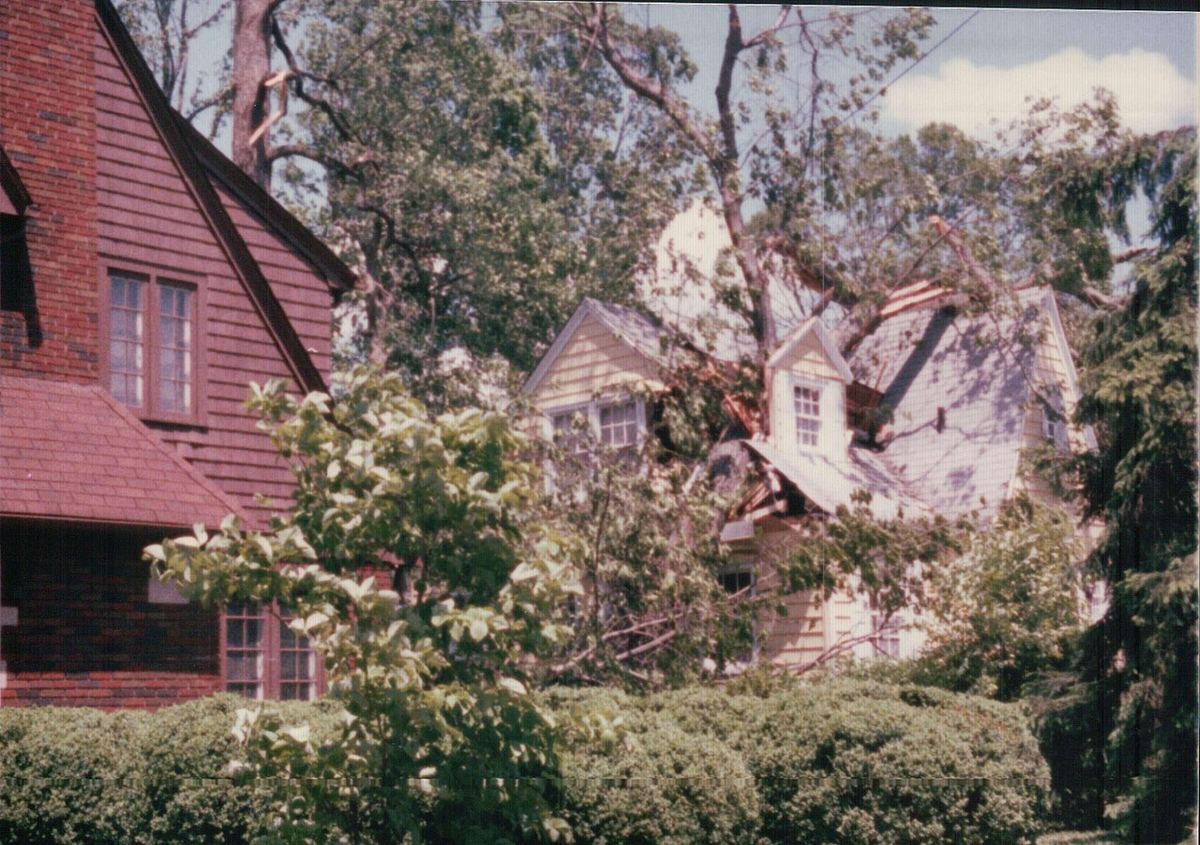
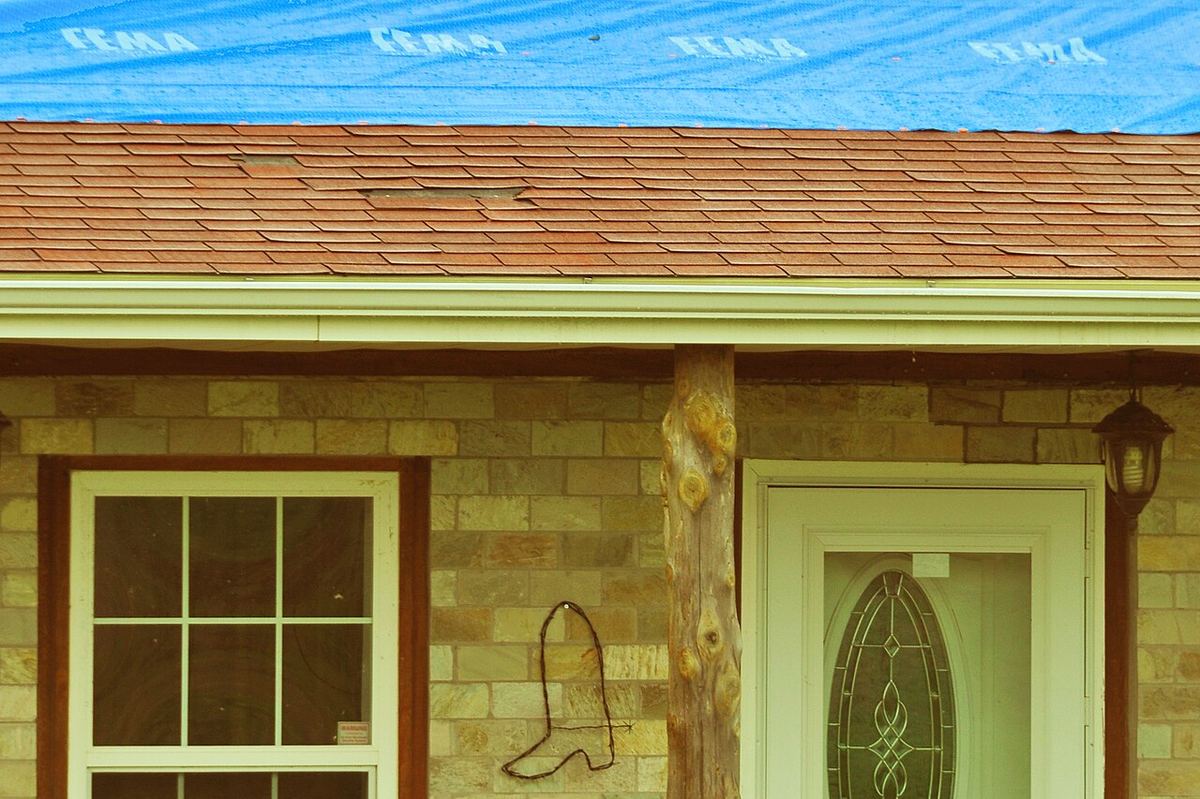
Many tornadoes here are short-lived spin-ups in the outer bands of tropical storms, so damage can be a narrow path of torn shingles, lifted edges and snapped pines through one neighborhood. Spring fronts can produce stronger tornadoes, like the 2021 Grissettown EF3. The National Weather Service rates tornadoes on the Enhanced Fujita (EF) scale after a damage survey; EF0 and EF1 winds (estimated 65 to 110 mph) can still peel roofs and drop trees.
Will insurance cover it?
Short answer: generally yes, as wind damage under your homeowners or NCIUA wind policy, subject to the deductible that applies.
If the tornado was part of a named storm, your named-storm deductible may apply instead of your regular one. Coverage typically includes the house, other structures, belongings, debris removal (often with a limit) and additional living expense if you cannot live there. See tree on roof and reading your policy.
Documenting the damage
- Video every side of the house and every room before moving anything.
- Photograph debris and trees on the structure.
- List damaged belongings with photos.
- Save the NWS Wilmington damage survey or storm report for your area; the Storm Center lists recent reports.
- Keep every receipt for tarps, boards, tree work and lodging.
Tarps, trees and debris
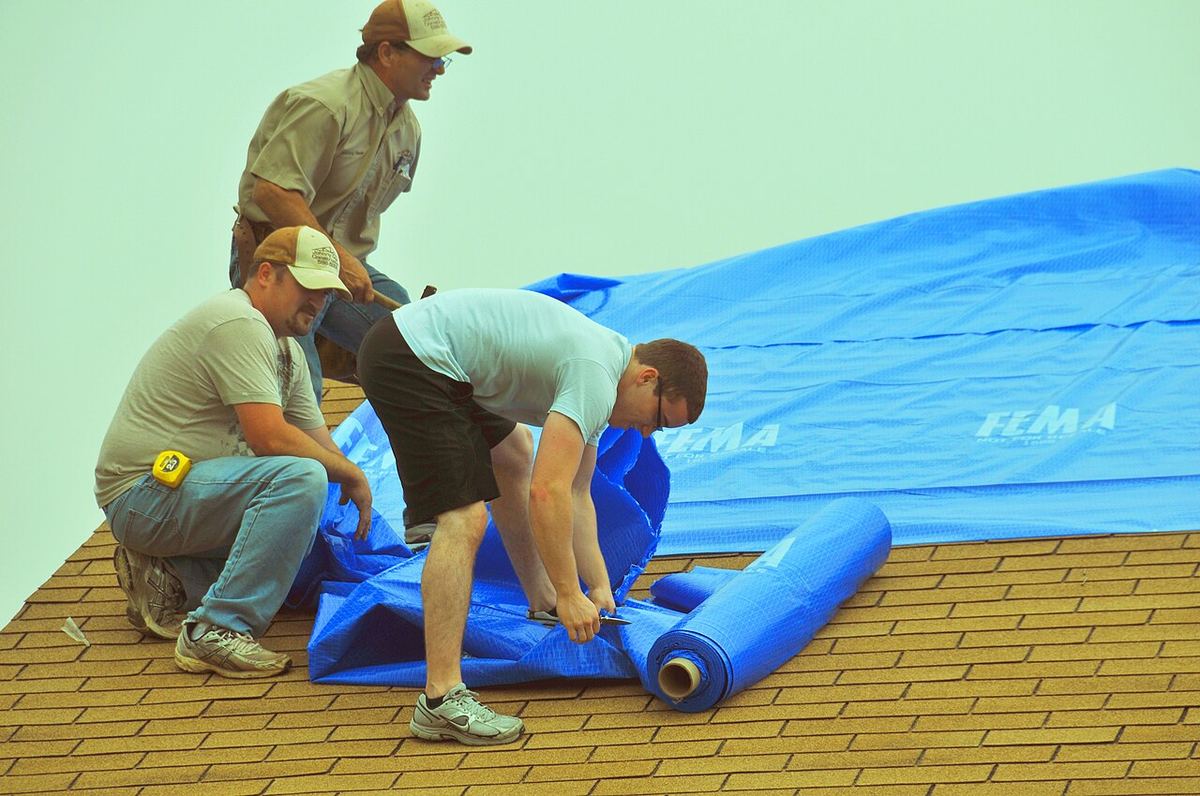
Cover openings to stop rain getting in. Leave trees on the roof to a professional tree service, and photograph before and after removal. Keep or photograph debris the adjuster may want to see.
Tornadoes in New Hanover, Brunswick and Pender
Tropical systems spin up brief tornadoes as they come ashore, which is why the coast's tornado season includes August through October as well as spring.
The NOAA Storm Events Database lists 68 tornado records here since 2006 (a tornado crossing a county line counts in each county). EF2 or stronger: September 5, 2019 (EF2, Brunswick County); August 3, 2020 (EF2, Brunswick County); February 15, 2021 (EF3, Brunswick County).
Disaster help and fraud
After a federal disaster declaration, FEMA aid may help with uninsured needs; apply at DisasterAssistance.gov. Watch for traveling contractors; see storm chaser warning signs.
Tornado warnings during tropical storms
Tornadoes in landfalling tropical systems often form quickly in rain bands and can hit with little warning. The 2019 Seaside EF2 came during Dorian and the 2020 Fort Caswell EF2 during Isaias, according to NOAA. When a hurricane or tropical storm is approaching, keep a weather radio or phone alerts on overnight, and know which interior room on your lowest floor you will use, provided that floor is not at risk of flooding.
What the 2021 Grissettown tornado showed
The EF3 near Grissettown in Brunswick County on February 15, 2021, came at night in winter, not during a hurricane, and killed three people, according to NOAA's Storm Events Database. Strong tornadoes here are uncommon, but they are not limited to hurricane season.
Claims after a tornado inside a named storm
If the tornado happened while a named-storm deductible was triggered, the insurer may apply that deductible. Ask which one they are applying and why, and check the trigger dates in your policy.
Frequently asked questions
Does homeowners insurance cover tornado damage?
Generally yes, as wind damage, subject to your deductible.
Which deductible applies to a tornado during a hurricane?
If the tornado was part of a named storm, your policy's named-storm deductible may apply. Check the trigger language.
What does EF1 mean?
An Enhanced Fujita rating assigned by the National Weather Service after a damage survey, roughly 86 to 110 mph estimated wind.
Policies vary. Check your own policy and ask your insurer or agent about anything that affects your claim. Laws and rules can change; this page reflects official sources as of October 29, 2026. WilmingtonNCRoofer.com is not a contractor, insurer, adjuster or law firm.
Find local help
Roofing contractors serving Wilmington and the Cape Fear coast · Ask for storm help · Counties and towns