How do you spot hail damage on a coastal roof?
How to spot hail damage on roofs in Wilmington, Leland, Hampstead and the beaches: shingles, metal, tile and flat roofs, gutters and vents, the sizes that matter, and how salt-air wear differs from hail.
Last reviewed against official sources. General information, not insurance or legal advice.
On the Cape Fear coast, hail usually arrives with spring thunderstorms and leaves random, round bruises and bare spots on shingles, plus fresh dents in gutters, vents and AC fins. Because salt air and wind also wear roofs here, the key test is pattern and freshness: hail marks are scattered, similar in size and new; corrosion and wind wear are not.
The NOAA Storm Events Database lists 168 hail reports in the three Cape Fear counties from 2006 through 2025, about one-fifth of the Columbia, SC, area's total. Most were small, but 19 were golf ball size (1.75 inches) or bigger, including 2-inch hail at Midway in Brunswick County on April 5, 2017. Brunswick County has the most reports (72), followed by Pender (56) and New Hanover (40).
What does hail do to shingles near the coast?
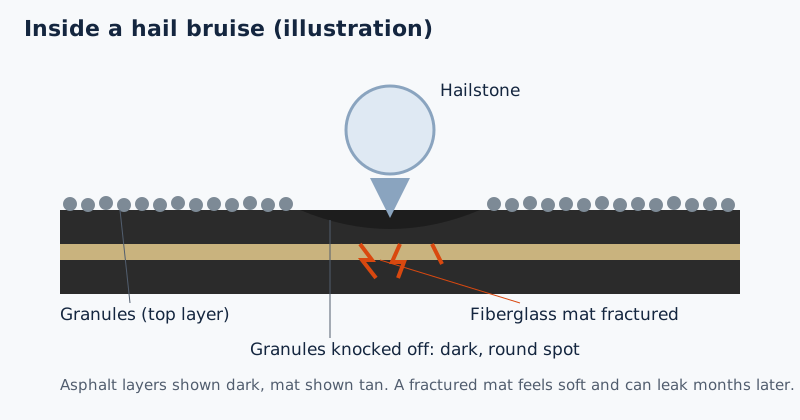
Short answer: a hard stone knocks the protective granules off a small circle of the shingle, and a harder one cracks the fiberglass mat beneath it. You end up with scattered dark dots, soft spots that give under a thumb, and sometimes cracked tab edges, mostly on the slopes that faced the storm.
Most houses from Castle Hayne to Southport are roofed with asphalt shingles, and many newer subdivisions in Leland, Hampstead and the Monkey Junction area have architectural (laminated) shingles. Those thicker shingles hide damage well. What an inspector looks for on them:
- Fresh bare spots. Newly exposed asphalt looks black or shiny against weathered granules. Old bare spots fade to gray.
- Soft spots (bruises). A cracked mat under intact-looking granules. Bruises are the hits that later shed granules and leak.
- Edge cracks. Sun-baked shingles on south and west slopes are more brittle and crack at the tab edges.
- Battered ridge caps. The caps along the peak sit up in the weather and often take the clearest hits.
- Damage on top of wind damage. Coastal storms often bring both. A shingle can be creased by wind and bruised by hail in the same event.
Is it hail, salt air or old age?
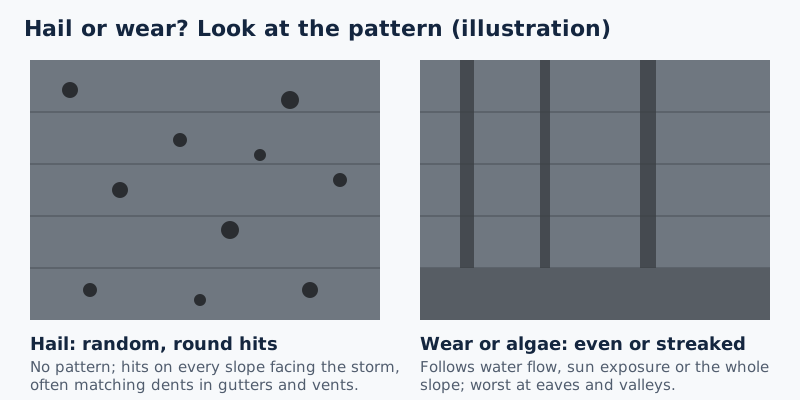
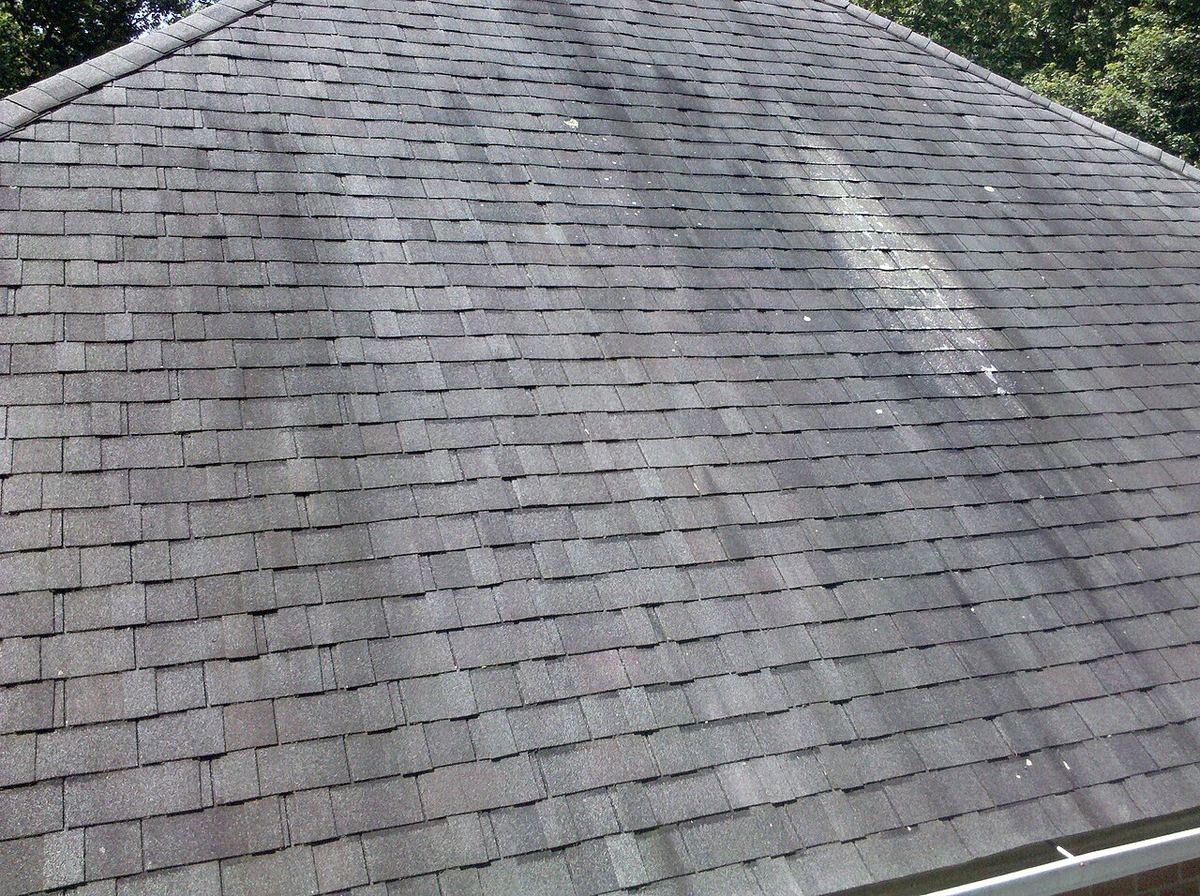
Short answer: hail is random, round and new. Salt corrosion follows metal, wind wear follows edges and ridges, and aging shows evenly across a whole slope.
Coastal roofs age differently from inland ones, which is why this is the argument most Wilmington-area hail claims turn on:
| Clue | Points to hail | Points to the coast or to age |
|---|---|---|
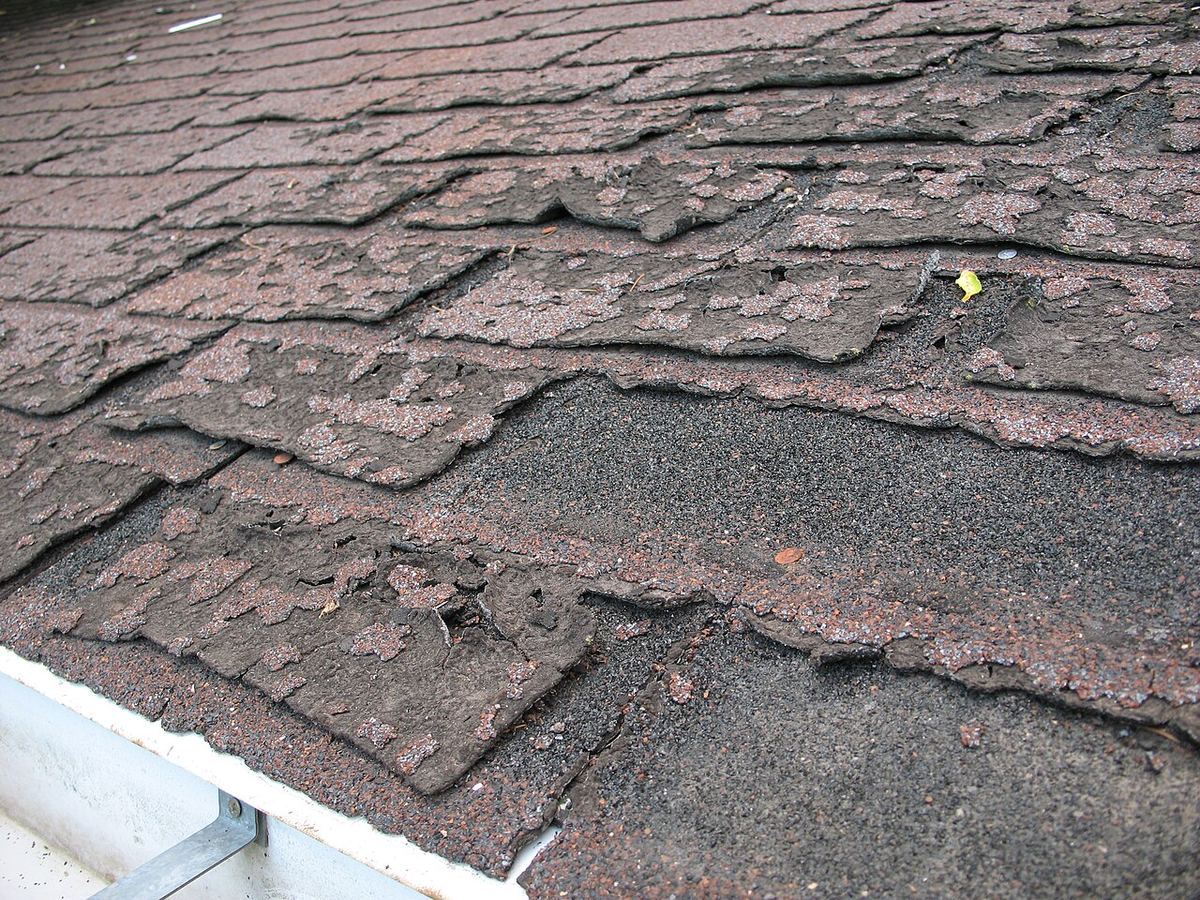
| Dark, bare spots on shingles | Scattered, round, roughly the same size, matched by dents in nearby metal | Evenly spread blistering from heat; worn paths where people walked; granules washed out along valleys |
| Marks on metal panels, flashing and fasteners | Round dents, bright where the paint was struck | Rust, white powdery corrosion and pitting from salt spray, worst on the ocean-facing side |
| Cracks | Short star or half-moon cracks at an impact | Long, straight cracks from heat and age; cracking along nail lines |
| Missing or lifted shingles | Not hail | Wind, often at edges, rakes and corners; failed seal strips |
| Dark streaks | Not hail | Algae, common in our humid climate |
Good before-storm photos are the best answer to "that's just salt air." Take a few clear pictures of each roof slope, the gutters and any metal roof sections once a year, in good weather, and keep them with your policy.
Which parts of a coastal house show hail first?
Short answer: thin metal and painted surfaces. Gutters, downspouts, box vents, the heat pump, window wraps, screens and metal porch roofs dent at smaller hail sizes than shingles crack, so they tell you hail hit and from which direction.
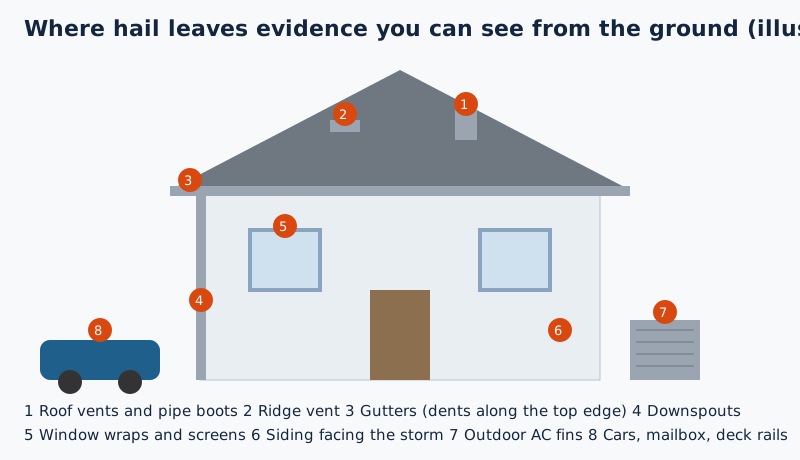
- Gutters and downspouts. Look along the rounded front lip. Many coastal gutters are aluminum, which dents easily.
- Roof vents and ridge vents. Metal box vents dent; plastic ones crack or split.
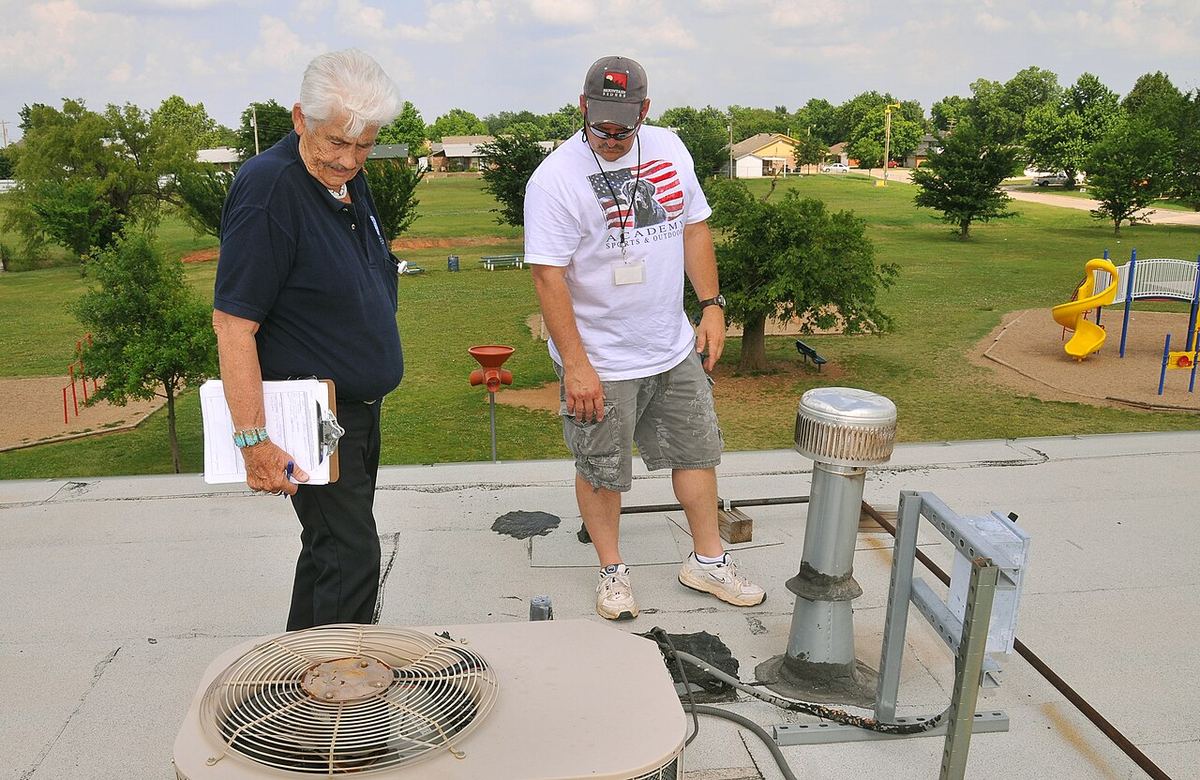
- Heat pump coils. The aluminum fins flatten where stones hit. Salt air also corrodes these fins, so photograph fresh damage right away.
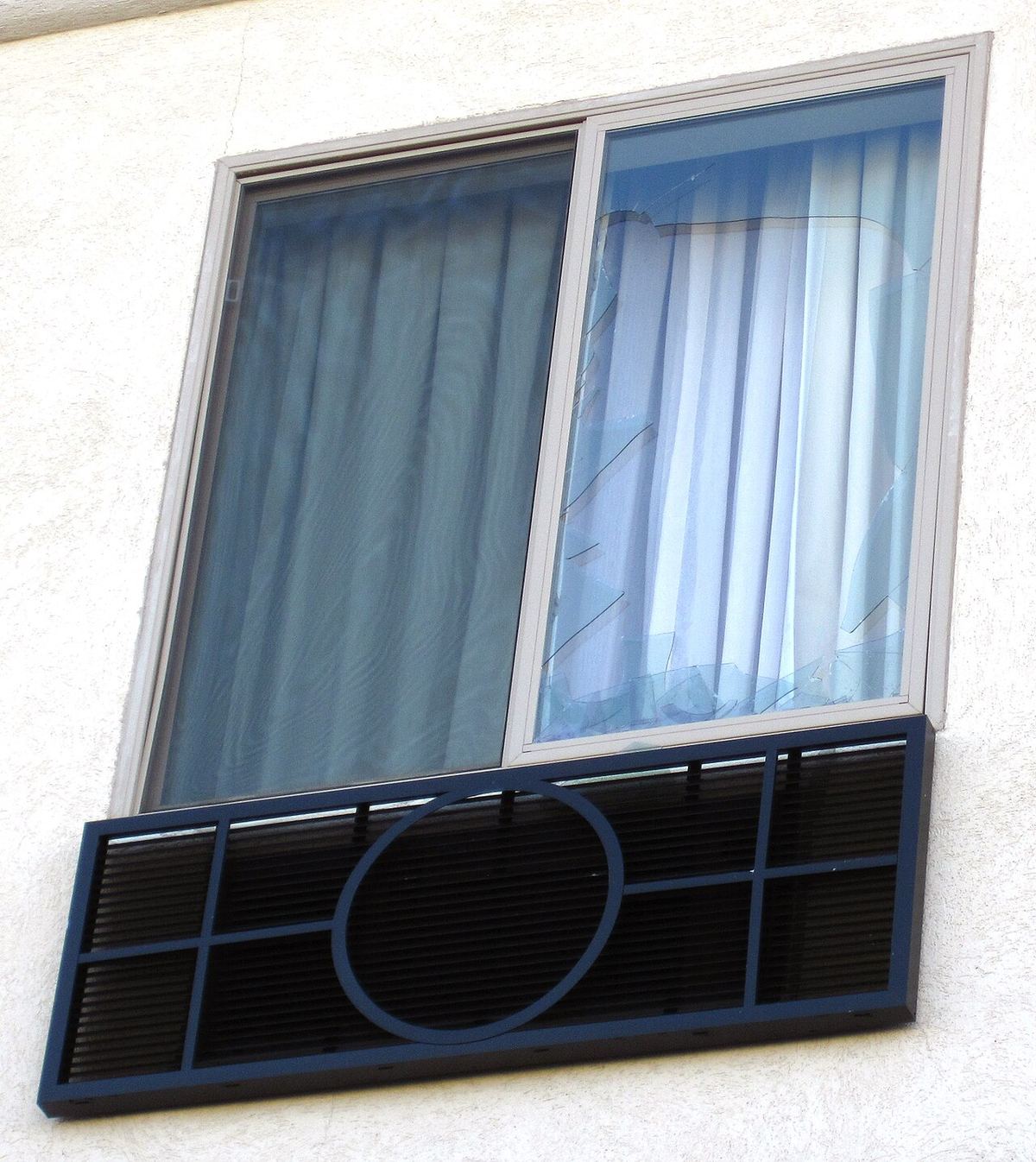
- Screens and screened porches. Torn or dimpled screen panels on one side of the house point to the storm's direction.
- Siding, shutters and trim. Vinyl siding can crack or hole; painted trim shows chipped spatter marks.
- Boats, cars and outdoor furniture. Dents and broken lights help show the size of hail at your address.
Dents in soft metal do not prove the shingles failed, but they are strong evidence that hail fell on your property and a good reason to ask for a closer roof inspection.
How big does hail have to be to hurt a roof here?
Short answer: about 1 inch (quarter size) is the usual starting point for shingle damage, and the National Weather Service calls hail of that size severe. Smaller hail can still hurt an old, brittle roof, and wind-driven hail hits harder.
Coastal hail tends to be smaller than inland hail, but not always. Things that change the outcome:
- Wind speed. Hail carried by a strong sea-breeze or squall-line storm hits at an angle and harder on the windward slopes.
- Roof age. Intense sun and heat make shingles brittle faster on unshaded beach and marsh-front homes.
- What the stone is made of. Hard, clear ice does more damage than soft, cloudy hail.
- Impact-rated shingles. Shingles that passed the Class 4 level of the UL 2218 test survived a 2-inch steel ball dropped in a lab. That is a test result, not a promise, but some insurers give a discount for them.
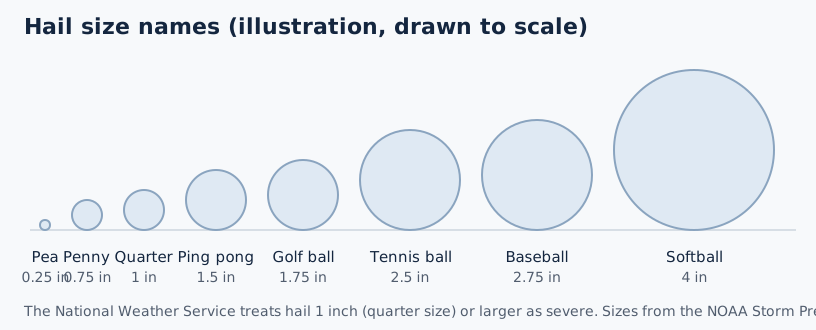
Compare what you saw with the hail size chart, and see the Cape Fear hail history for how often each size has been reported in New Hanover, Brunswick and Pender counties.
What about metal, tile and low-slope roofs on the coast?
Metal roofs
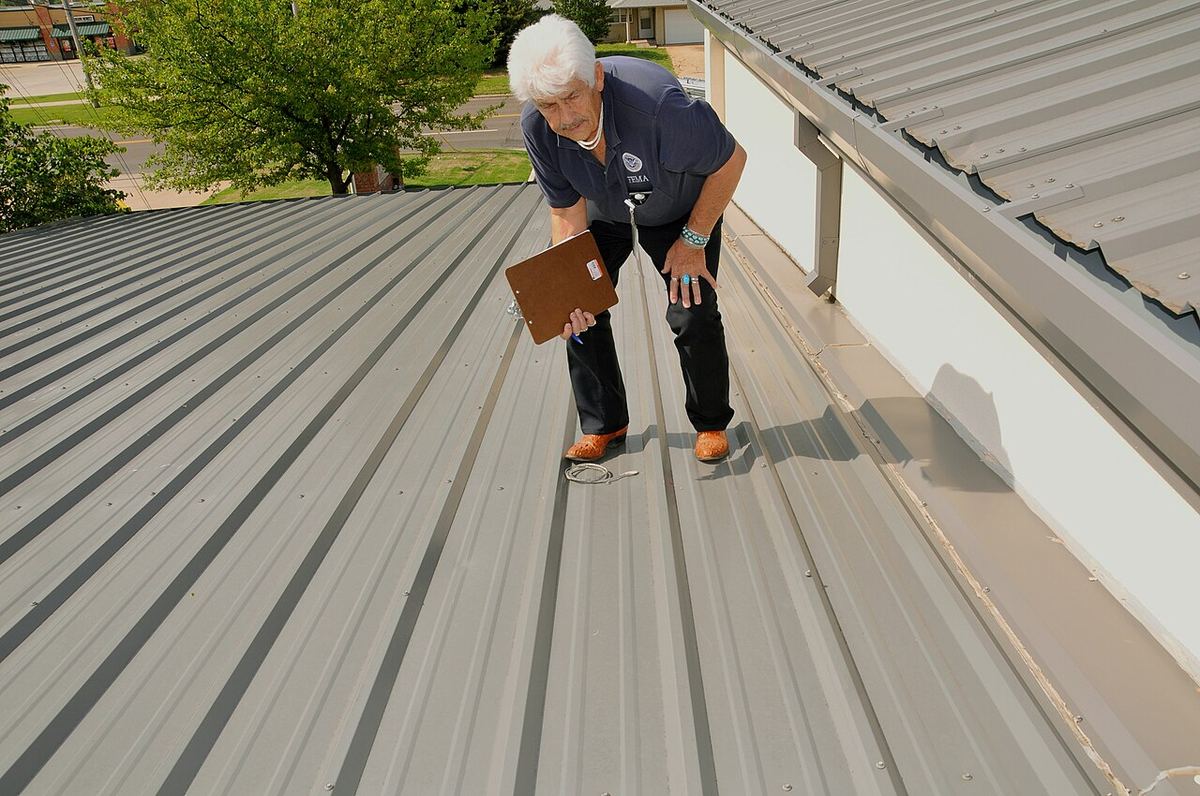
Metal roofs are common on beach houses, porches and newer coastal builds because they handle wind well. Hail usually dents metal without opening it. Look in low morning or evening light along the panels, ridge cap and trim. Check whether your policy, or your NCIUA policy if you have one, has a cosmetic damage exclusion: if it does, dents that do not let water in may not be paid.
Tile and slate
Less common here, but present on some higher-end and historic homes. Hail chips and cracks tile and slate, and careless walking breaks more, so inspections need someone experienced.
Wood shakes
Fresh hail splits in cedar are bright and sharp-edged. Weathered, gray splits are older.
Flat and low-slope sections
Downtown Wilmington's older buildings, beach-house decks over living space, and many additions have low-slope roofs. Hail can puncture aging membranes and crush the insulation underneath without visible marks. Ask the inspector to check seams, fasteners and any soft spots.
What counts as functional versus cosmetic damage?
Short answer: functional damage hurts the roof's ability to shed water or shortens its life; cosmetic damage only changes the look. Policies generally pay for the first, and some exclude the second.
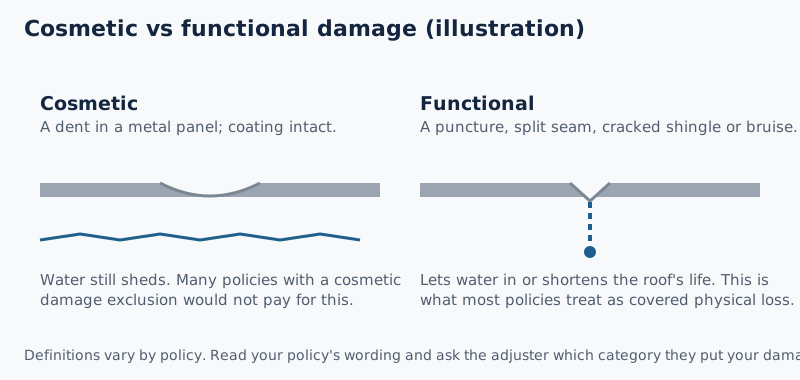
A cracked shingle mat, a holed membrane or a split seam is functional. A shallow dent in a coated metal panel usually is not. If an adjuster calls your damage cosmetic, ask which policy wording they are applying and ask for that decision in writing. See reading your policy.
Can hail damage leak later, during the next tropical storm?
Short answer: it can. A bruised shingle keeps shedding granules for months, and the weakened spot may hold until heavy, wind-driven rain from the next tropical system or nor'easter forces water through.
That is a common coastal pattern, and it is why you should record the hail date even when nothing leaks. If a leak shows up in September, you can link it to a storm in May. Policies require prompt notice and some set specific deadlines for wind and hail claims, so report within a reasonable time instead of waiting for hurricane season. See what to do after a hailstorm.
Should you climb up and look?
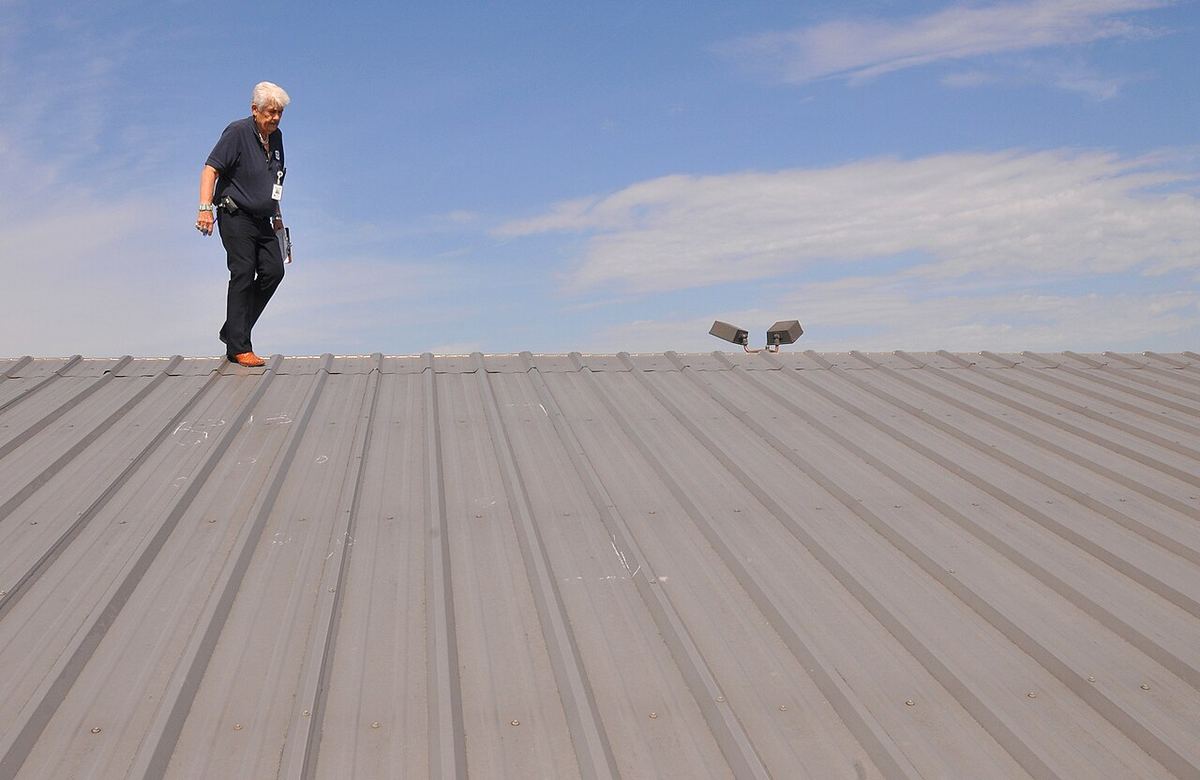
No. Wet shingles, loose granules and metal panels are slick, and ladder falls cause serious injuries after storms. Look from the ground and from upstairs windows, zoom in with your phone, and leave the roof walk to the adjuster or a licensed, insured roofer. North Carolina has no separate state license for roofers on smaller jobs. A general contractor license from the NC Licensing Board for General Contractors is required when the total cost of a project is $40,000 or more (G.S. 87-1), and roofing work at that size falls under the board's building, residential, or specialty roofing classifications. Below that amount, ask for proof of liability insurance and workers' compensation, and check the local building permit office.
How does an inspector decide between repair and replacement?
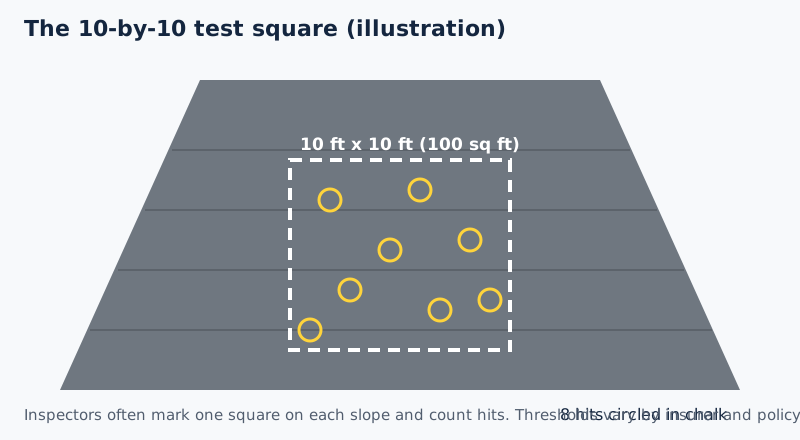
Many inspectors chalk a 10-by-10-foot test square on each slope and count the hits inside it. The decision then depends on how many hits there are and what kind, whether damaged shingles can be swapped without breaking the ones around them, your policy and the insurer's guidelines. No North Carolina rule sets a required number of hits. Ask how many hits were counted on each slope and what threshold the insurer used.
What is different about coastal roofs?
Salt air corrodes fasteners, flashing, gutters and metal panels faster than inland, and sun and wind wear shingles. Adjusters on the coast may attribute marks to corrosion or wind wear instead of hail. Keep maintenance records and dated photos of your roof in good weather, so you can show what changed after a storm. Many beach homes also have metal roofs, where hail dents may be judged cosmetic under some policies.
See real hail damage photos
The photo gallery shows hail on metal roofs, rooftop equipment, windows and cars, and what is not hail. Every photo is public domain or Creative Commons licensed and credited.
When hail and wind hit in the same storm
Many coastal thunderstorms bring both. Hail leaves round marks scattered across a slope, while wind lifts and creases shingles at edges and corners. Photograph each separately and tell the adjuster both happened, so the estimate covers both kinds of damage. If one slope faced the storm, note that too. See wind damage on a coastal roof.
Hail on skylights, solar panels and screens
Look for cracked skylight domes, chipped solar panel frames and torn porch or pool enclosure screens. Solar panels may have their own warranty and may be listed separately on your policy; photograph serial labels if you can do it safely from the ground or a window.
How big has hail been in each Wilmington and the Cape Fear coast county?
Short answer: since 2006, every county this site covers has had hail of at least 1.75 inches, large enough to damage many roofs. The table shows the largest hail on record in each county (the most recent date if tied) and how many reports were 1 inch or larger.
| County | Largest hail | Where and when | Reports 1 inch or larger |
|---|---|---|---|
| Brunswick County | 2.00 in (hen egg) | Midway, April 5, 2017 | 45 |
| Pender County | 1.75 in (golf ball) | Hampstead, May 22, 2012 | 33 |
| New Hanover County | 1.75 in (golf ball) | Harbor Is, June 29, 2011 | 19 |
Source: NOAA Storm Events Database, 2006–2025. See the full local hail history.
Cape Fear hail walk-around (printable)
- Write down when the storm hit and the biggest stone you saw; photograph a few stones beside a coin or tape measure.
- Circle the house once: look at gutters, downspouts, screens, window trim and siding on the side the storm came from.
- Check the heat pump or AC fins, the grill, mailbox and any metal porch roof for bright, fresh dents.
- Compare fresh dents with older salt-air corrosion or pitting so you can point out the difference later.
- Look in gutters and at downspout outlets for a new pile of shingle granules.
- Zoom in on each roof slope from the yard or a window. Stay off the roof, especially if it is wet or metal.
- If you have a NCIUA wind and hail policy, note its policy number with your photos; it may be the policy that responds.
- Check the attic and upstairs ceilings after the next few rains, including wind-driven rain from the east.
- Save everything in one dated folder: photos, notes, receipts and any contractor cards left at your door.
Recent hail reports in the area
No hail of one inch or larger has been logged in the covered counties in the last 12 months. Smaller hail often goes unreported.
Frequently asked questions
Do I need a new roof after every hailstorm?
No. Small hail may dent gutters or knock off a few granules and leave the roof working. Repair or replacement depends on the number and type of hits per slope, whether repairs are possible without damaging nearby shingles, and your policy.
Is rust on my metal roof hail damage?
Usually not. Rust and white corrosion are typical salt-air wear. Hail leaves round dents, often with bright, freshly struck paint.
Who covers hail if I have a NCIUA Beach Plan policy?
If your wind and hail coverage is with NCIUA, that policy usually responds to hail. Check your declarations pages for which policy covers windstorm and hail.
Can I see hail damage without getting on the roof?
You can see the clues: dented gutters and vents, flattened heat pump fins, torn screens and granules at downspouts. Shingle bruises usually need a hands-on inspection.
How soon must I report hail damage?
Check your policy. Most require prompt notice, and some set a deadline for wind and hail. Report as soon as you reasonably can.
Policies vary. Check your own policy and ask your insurer or agent about anything that affects your claim. Laws and rules can change; this page reflects official sources as of October 29, 2026. WilmingtonNCRoofer.com is not a contractor, insurer, adjuster or law firm.
Find local help
Roofing contractors serving Wilmington and the Cape Fear coast · Ask for storm help · Counties and towns
Sources
- NOAA Storm Prediction Center: Hail size as related to objects
- National Weather Service: Hail
- IBHS: Hail
- NOAA NCEI: Storm Events Database
- NAIC: A Consumer's Guide to Home Insurance
- NC Department of Insurance: FAQs about homeowners insurance
- UL Standards & Engagement: UL 2218, Impact Resistance of Prepared Roof Covering Materials