Hail just hit your Cape Fear home. What now?
What to do after hail or a strong storm in Wilmington, Leland, Southport, Hampstead or the beaches: safety, photos, tarping, receipts, NCIUA claims and why to be careful with door-to-door roofers.
Last reviewed against official sources. General information, not insurance or legal advice.
Once the storm passes, check for hazards, photograph the hailstones and every dent or broken item with the date, cover any opening and keep the receipt, figure out whether your homeowners policy or a NCIUA wind and hail policy responds, report the claim promptly, have a licensed local roofer inspect, and sign nothing on the spot.
Steps at a glance
- Let the storm pass and check for hazards. Stay inside until thunder stops. Then look for downed lines, broken glass and leaks near electrical fixtures.
- Record the hail and the damage. Photograph the largest stones with a ruler or coin, then each side of the house, the roof from the ground, and dents in metal. Keep the time stamps.
- Stop water from getting in. Tarp or board up openings, move belongings away from leaks, and keep every receipt. Insurers expect reasonable steps to prevent more damage.
- Find out which policy responds. Check your declarations pages. Near the beaches, wind and hail may be covered by a NCIUA policy with its own deductible.
- Report the claim. Call the insurer (or NCIUA) as soon as you reasonably can, get a claim number, and ask what they need from you.
- Get a local, licensed inspection. Have a roofer with a local address and proof of insurance inspect and write up the damage.
- Meet the adjuster with your file. Have your photos, notes and receipts ready, and keep a written log of every contact.
Hail on the Cape Fear coast usually comes with spring cold fronts, from April through June. Warnings come from the National Weather Service office in Wilmington. If your wind and hail coverage is through the NCIUA Beach Plan, report the claim to NCIUA as well as, or instead of, the company that writes the rest of your homeowners coverage.
Step 1: When is it safe to look?
Short answer: wait for the thunder to stop, then check outside only if there are no downed lines or debris hazards. Lightning often lingers behind coastal storms.
Inside, look for water at ceilings, light fixtures and skylights. If water is near electrical fixtures, turn off that circuit at the breaker if you can do it safely. Do not climb on the roof or a ladder; wet shingles and metal are slick.
Step 2: What should your photos show?
Short answer: the hail itself, then the house from wide to close: each side, each roof slope from the ground, and every dent, crack or broken item, all with dates.
- The stones. Before they melt in the heat, photograph several next to a coin or ruler. Note the time and how long the hail fell.
- Wide shots. Each side of the house, then each roof slope you can see from the yard, the street or an upstairs window.
- Close-ups. Gutters, downspouts, box vents, the heat pump, screens, window wraps, siding, the fence, and any metal porch or dock roof.
- Granules. A fresh pile at a downspout outlet or in the gutter.
- Inside. New ceiling stains or drips, with a wide shot showing which room.
- Proof of the storm. Save any NWS Wilmington warning text or the storm report from the Storm Center.
Older dates matter here too. If you have photos of the roof from before the storm, put them in the same folder; on the coast they help answer "that was salt or age."
Step 3: Which temporary repairs should you make?
Short answer: the ones that keep more water out: a tarp over an opening, plywood over a broken window, and drying out wet areas. Keep receipts and photograph before and after.
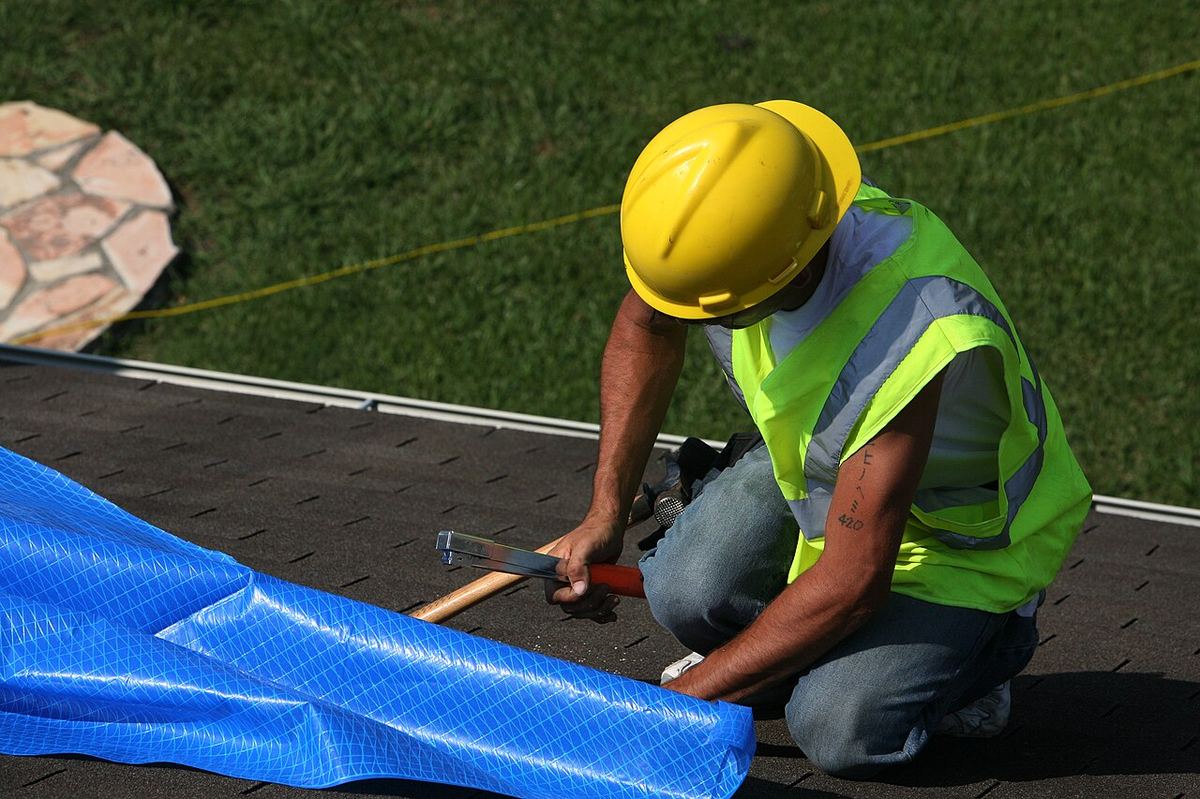
Most policies require you to take reasonable steps to protect the property after a loss, and they usually pay reasonable costs for doing it. Hold off on permanent repairs until the adjuster has seen the damage or agreed in writing. See emergency tarping.
Step 4: Is it worth filing a claim?
Short answer: compare a roofer's damage estimate with the deductible that applies to hail on your property. On the coast, that may be a percentage wind and hail deductible, or a separate deductible on a NCIUA policy.
Many beach and near-beach homes have two policies: a homeowners policy for most perils and a NCIUA (Beach Plan) policy for wind and hail. Hail damage then usually goes to the NCIUA policy. A 2% deductible on a $400,000 dwelling limit is $8,000, so a few dented gutters may not be worth a claim. If you are not sure, ask your agent or insurer how a claim under the deductible is recorded. See wind and hail deductibles.
Step 5: How soon should you report it?
Short answer: as soon as you reasonably can. Policies require prompt notice, and North Carolina's standard policy provisions call for a sworn proof of loss within 60 days unless the insurer extends that.
When you call, write down the claim number, the adjuster's name and contact, the deductible that applies, and what the insurer wants from you next. Our questions for your insurer list covers the first call.
Step 6: Why not sign at the door?
Short answer: after every big coastal storm, out-of-area crews go door to door. A signature on a "free inspection" form can be a binding contract or a transfer of your claim rights.
Ask for a business card and a written estimate, and check the contractor before you sign anything. A contractor who offers to cover or waive your deductible may be overstating the loss to your insurer, which can create insurance-fraud problems for you. Treat it as a warning sign and ask your insurer. The FTC's Cooling-Off Rule can give you three business days to cancel certain door-to-door sales, but do not rely on canceling later. See how to check a roofer and storm chaser warning signs.
Step 7: How do you get ready for the adjuster?
Print the adjuster question list, gather your photos and receipts, and ask your roofer to attend if you can. Point out storm-side dents and any damage you found inside, and ask the adjuster to note the difference between fresh hail hits and older coastal wear.
Step 8: Keep a claim log
Record every call, email and visit: date, name, and what was said or promised. Follow up important phone calls with a short email. A log is the simplest way to keep a claim moving, especially in a busy season when adjusters handle many coastal claims at once.
Local contacts after a Cape Fear storm
- Warnings: NWS Wilmington and the Storm Center.
- Wind and hail claims on Beach Plan policies: NCIUA.
- Permits: city, town and county inspections offices, including beach towns; see the county and town pages.
- Insurance help: NC Department of Insurance, 855-408-1212.
Hail with a tropical system or a squall line
Coastal hail often comes with strong wind. If the same storm also lifted shingles or brought rain into the house, report all of it on one claim and photograph edges, ridges and ceilings as well as hail marks. If a named storm was involved, ask which deductible applies.
Don't forget docks, boats and outdoor gear
Hail and the wind that comes with it can damage boat lift canopies, dock roofs, boats, outdoor kitchens and screen enclosures. Photograph them along with the house. Docks and boats may be covered differently, or by a separate policy, so ask your agent which policy applies to each.
What a typical first week looks like
- Day 1: photos, tarps, claim reported.
- Days 2 to 4: roofer inspections and written estimates; check each contractor.
- Days 3 to 10: adjuster contact and inspection, depending on how many claims the storm caused.
- After the inspection: written estimate, compared line by line with your roofer's.
Who issues building permits around Wilmington?
A re-roof usually needs a permit. Ask your roofer to pull it in their name, and check with the building office for your address:
After-hail checklist for coastal homes (printable)
- Thunder has stopped and no lines are down near the house.
- Largest hailstones photographed next to a coin or ruler, with the time noted.
- Photos of all four sides of the house, each roof slope from the ground, and the heat pump.
- Close-ups of dented gutters, vents, screens, trim, cars or boats.
- Any opening tarped or boarded; receipts and photos of the temporary repair kept.
- Declarations pages checked: which policy covers wind and hail, and what that deductible is.
- Claim reported; claim number and adjuster name written down.
- Two or more local roofers contacted; license (if the job is $40,000 or more), insurance and address checked.
- Nothing signed at the door; any contract read in full and kept.
- Attic and ceilings checked after the next few rains.
- Call and email log started with dates, names and what was said.
- Folder (paper or cloud) holding every photo, receipt, letter and estimate.
Recent hail reports in the area
No hail of one inch or larger has been logged in the covered counties in the last 12 months. Smaller hail often goes unreported.
Frequently asked questions
Can I fix things before the adjuster comes?
Yes, for temporary repairs that prevent more damage, such as a tarp. Photograph first and keep receipts. Wait on permanent repairs until the insurer agrees.
Does hail go under my NCIUA policy or my homeowners policy?
If your declarations show windstorm and hail covered by NCIUA, hail claims usually go to NCIUA. Check both declarations pages or ask your agent.
A crew offered a free roof inspection. Should I let them?
An inspection is fine, but sign nothing at the door. Check the company's insurance, local address and reviews first.
How long until the adjuster comes out?
It depends on how many claims the storm produced. Ask for an estimated date and what to do meanwhile.
Policies vary. Check your own policy and ask your insurer or agent about anything that affects your claim. Laws and rules can change; this page reflects official sources as of October 29, 2026. WilmingtonNCRoofer.com is not a contractor, insurer, adjuster or law firm.
Find local help
Roofing contractors serving Wilmington and the Cape Fear coast · Ask for storm help · Counties and towns
Sources
- National Weather Service: Thunderstorm safety
- NC Department of Insurance: FAQs about homeowners insurance
- NC Department of Insurance: When storms strike, don't let scammers rip you off (Sept. 2, 2026)
- Federal Trade Commission: Avoiding scams after a weather emergency
- Ready.gov (FEMA): Financial preparedness and documenting your property
- NAIC: A Consumer's Guide to Home Insurance
- G.S. 87-1
- OSHA: Stop falls