How do you protect an open roof after a coastal storm?
After a hurricane, roofers are booked for weeks and more rain is often on the way. A tarp that is fastened well keeps water out until the repair, and most policies expect you to try.
Last reviewed against official sources. General information, not insurance or legal advice.
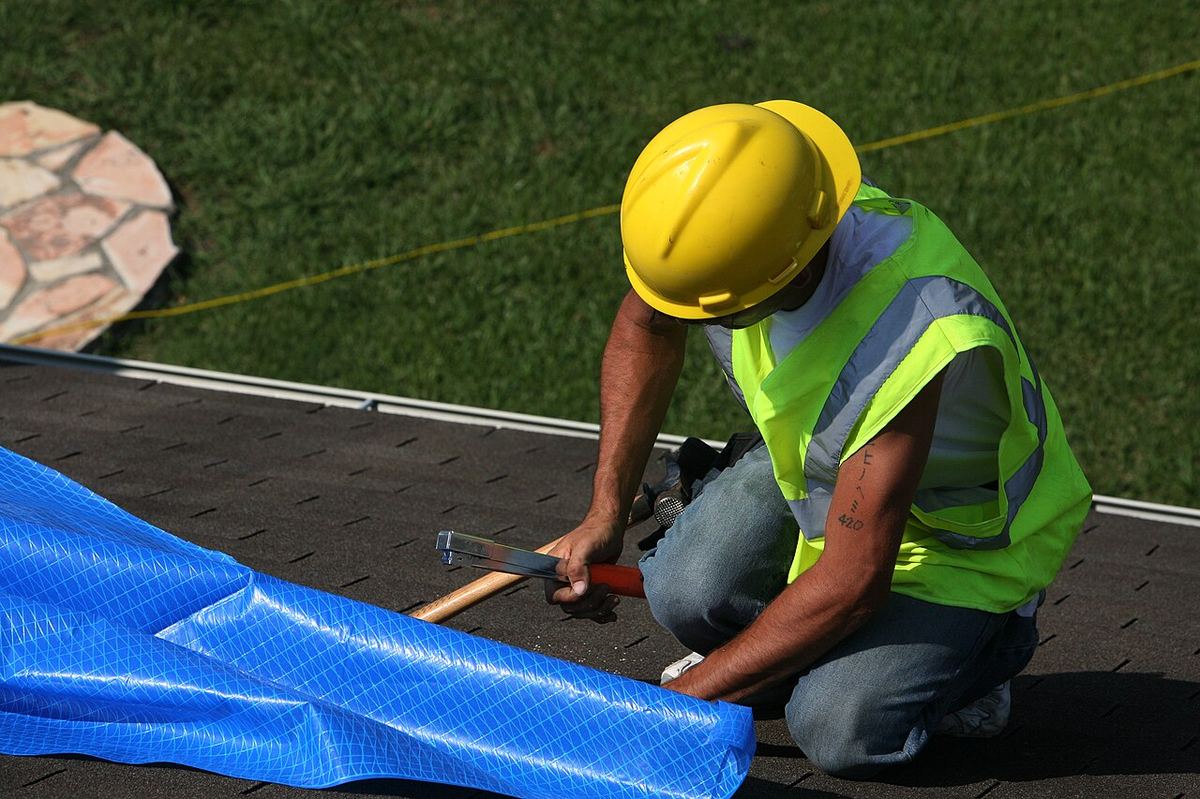
Cover openings as soon as it is safe, using a heavy tarp that runs over the ridge and is fastened with screwed-down boards, not sandbags. Keep photos and an itemized invoice; reasonable emergency costs are usually reimbursed on a covered claim. Don't go on a roof while winds are still strong or a tree is still on it.
Why it's your job
Homeowners and NCIUA policies require you to take reasonable steps to protect the property from further damage. The NC Department of Insurance tells homeowners to make temporary repairs, such as tarping, and keep receipts. Water damage that happens because an opening was left uncovered for weeks may not be paid.
Tarping for coastal wind
- Use a heavy, UV-resistant tarp, wide enough to wrap over the ridge and extend well past the damage on both sides.
- Fasten it with 2x4 battens screwed through the tarp into the roof deck, along all edges. Sandbags and bricks slide off in gusts.
- Cover holes with plywood first so the tarp isn't sucked through.
- Check the tarp after every storm or windy day; coastal sun and wind wear tarps out within months.
When to wait
Stay off the roof until the wind has dropped and the roof is dry, and never climb onto a roof with a tree still on it. Falls are among the leading causes of construction deaths, according to OSHA. Inside, catch drips, move belongings and run fans and a dehumidifier to fight mold in coastal humidity.
Paying for emergency work
Get emergency tarping on its own itemized invoice, separate from any repair contract. You don't need to sign a full replacement contract to get a tarp. North Carolina has no roofing-specific contract law, so read any contract carefully before you sign.
What's usually reimbursed
On a covered claim, reasonable costs to prevent further damage usually count: the tarp, battens, plywood and labor, water extraction and drying, and sometimes removing a tree so the roof can be covered. Keep before-and-after photos. Price gouging is illegal in North Carolina during a declared state of emergency; if a price looks wildly high, the NC Attorney General takes complaints.
Federal tarps after major hurricanes
After some major disasters, FEMA and the U.S. Army Corps of Engineers have run "Operation Blue Roof," which installs free temporary roof coverings on eligible homes. It only runs when FEMA activates it for a specific disaster, and it is limited to primary residences with standard shingle roofs and no more than half the roof framing damaged. Vacation rentals don't qualify, which rules out many beach cottages. Watch for announcements from FEMA and county emergency management.
Frequently asked questions
Does insurance pay for tarping?
Reasonable temporary repairs to prevent more damage are usually reimbursed when the underlying damage is covered. Keep the itemized invoice and photos.
How long can a tarp stay on?
Only as long as needed. Coastal sun and wind wear tarps quickly, so check it after each storm and keep the claim moving.
What is Operation Blue Roof?
A FEMA and Army Corps of Engineers program that installs free temporary roof coverings after some major disasters, when it is activated for that event.
Policies vary. Check your own policy and ask your insurer or agent about anything that affects your claim. Laws and rules can change; this page reflects official sources as of October 29, 2026. WilmingtonNCRoofer.com is not a contractor, insurer, adjuster or law firm.
Find local help
Roofing contractors serving Wilmington and the Cape Fear coast · Ask for storm help · Counties and towns